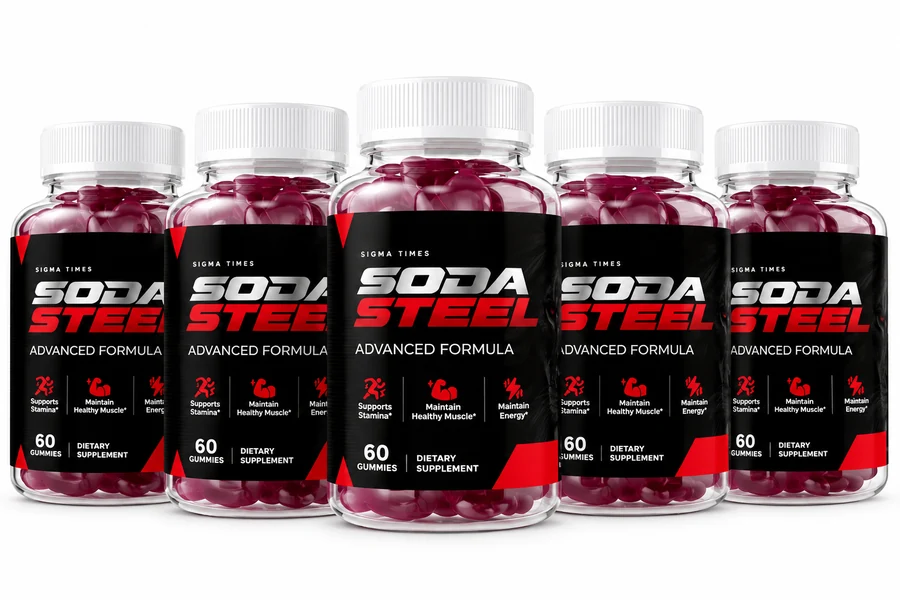
Stamina Support vs. Stimulants: What's The Real Difference?
Soda Steel's packaging specifically claims "clean, jitter-free energy" and contrasts this against a crash — language that's worth unpacking.
Understanding what a stimulant does, versus what general stamina-support framing claims, helps set realistic expectations.
What a stimulant actually does
Stimulants like caffeine work through a well-understood pharmacological pathway — they directly increase alertness and heart rate, typically producing a fast, noticeable effect, sometimes followed by a crash as the effect wears off.
What "clean energy" claims usually mean
When a product claims clean or jitter-free energy without naming a stimulant ingredient, it is typically claiming the absence of a stimulant-style spike-and-crash pattern. This is a reasonable thing to claim, but it is also unfalsifiable without knowing what, if anything, is actually in the formula.
Why this matters without a disclosed ingredient list
For a product like Soda Steel, where no specific ingredients are named in the materials we reviewed, we cannot verify whether the "clean energy" claim reflects a genuinely stimulant-free formula or is simply marketing language. See our piece on reading a label with no ingredients for more on this gap.
Applying this to Soda Steel
Soda Steel's "Cognitive & Focus Clarity" panel makes this exact claim — clean, jitter-free energy with no crash — as part of its broader stamina and performance positioning. See how Soda Steel says it works for the full framework.